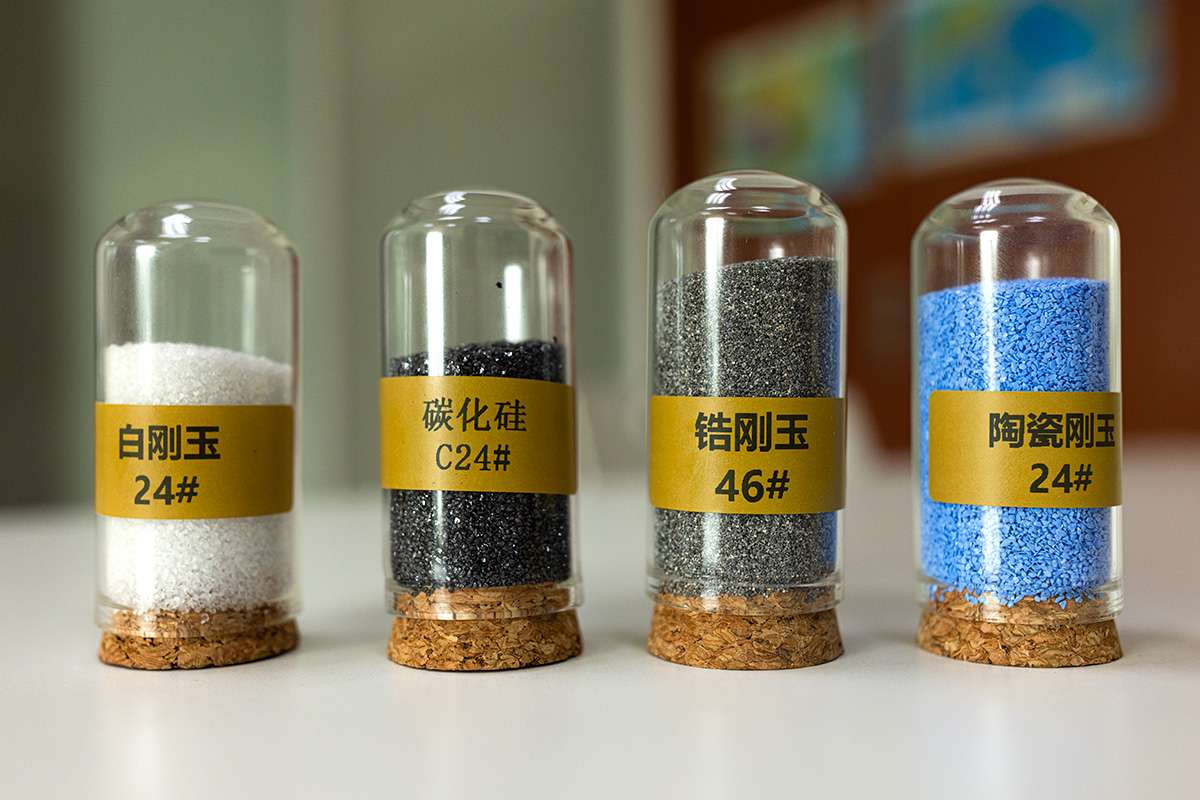
Do you know the differences between different types of abrasive and where to begin when choosing an abrasive? Wrong abrasive selection may trigger processing delays,human errors and even shorten service life of your tools. Here is the complete abrasive introduction for you.
What is Abrasive Used for?
Abrasive materials are used for grinding, cutting, sanding, polishing, deburring, blasting, and surface preparation across industrial processes.
Main Types of Abrasive
Abrasives are divided into two main categories: normal abrasives and superhard abrasives. These two categories are further divided into natural and synthetic abrasives.The following is a simplified abrasive examples classification table.
| Category | Abrasive Type | Characteristics | Applications |
| Natural Abrasives | Diamond, Garnet, Corundum | Natural minerals with different hardness and cutting ability | Polishing, blasting, surface treatment |
| Synthetic Abrasives | Aluminum Oxide | Tough, durable, cost-effective | Steel grinding, cutting, general metalworking |
| Silicon Carbide | Hard, sharp, good heat resistance | Aluminum, glass, ceramics, non-ferrous metals | |
| Zirconia Alumina | Tough, self-sharpening, high removal rate | Heavy grinding, stainless steel, weld grinding | |
| Ceramic Alumina | High efficiency, long service life, low heat | High-performance grinding | |
| Superhard Abrasives | Diamond, CBN | Extremely hard, excellent precision and wear resistance | Hardened steel, carbide machining |
Natural Abrasives
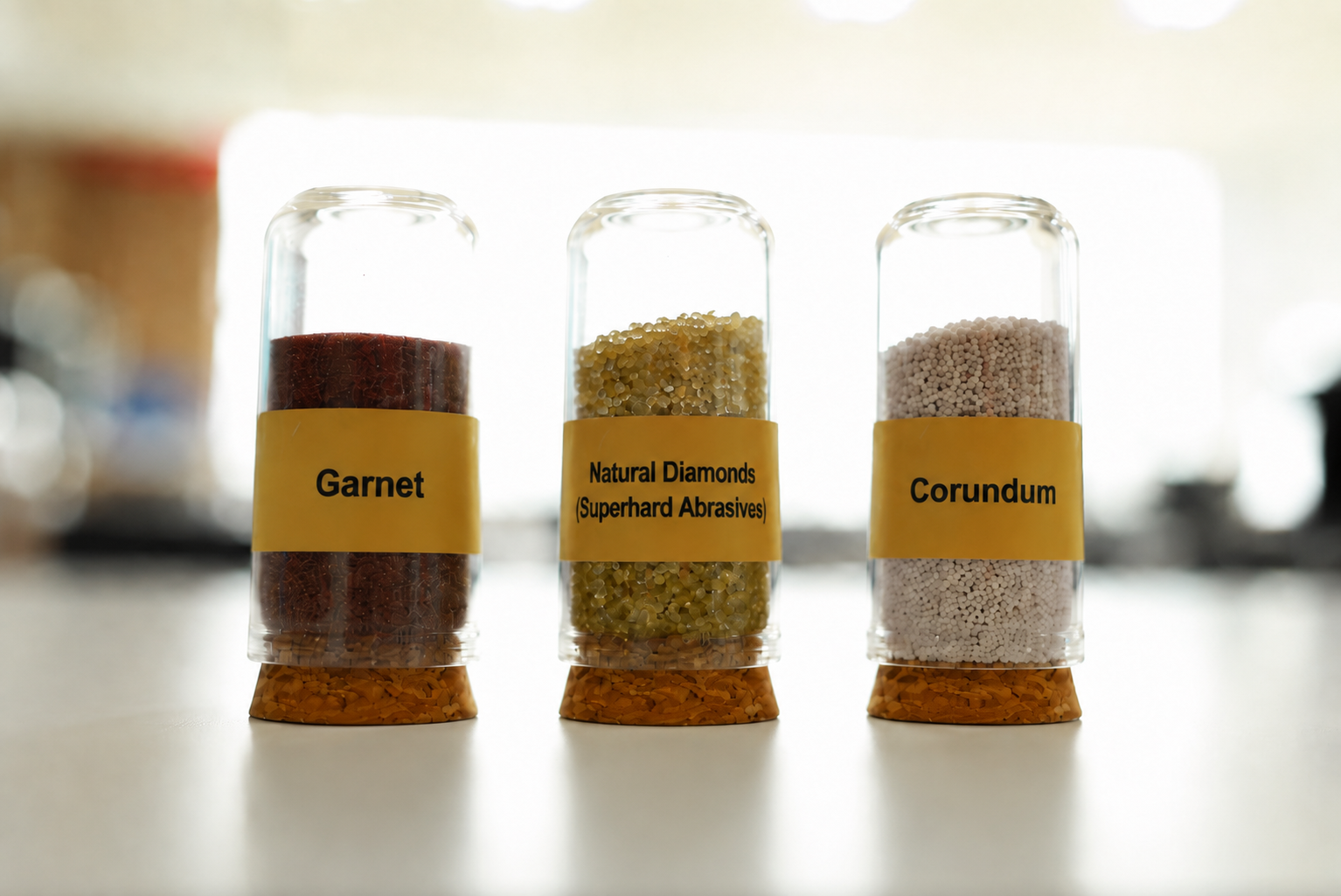
Natural abrasives come directly from minerals, rocks, or natural crystals. They are used after being mined, crushed, screened, and graded. Common varieties include natural diamonds, garnets, and corundum.
The advantage of natural abrasives is that certain varieties have special pore or crystal shapes, making them suitable for light surface treatments and specialized processes.
The disadvantages are that, due to their low hardness, uneven structure, and high impurity content, common natural abrasives are generally unsuitable for industrial grinding wheels requiring high consistency and productivity.
- natural diamonds (superhard abrasives)
Natural diamonds are natural super hard materials, they are very hard and can be used for drilling and precision grinding, but they are rare and with large differences in shape, so modern industry uses more stable synthetic diamonds.
- garnets
Garnet is relatively easy to cut and is often used in waterjet cutting, sandblasting, and wood surface treatment.
- corundum
Corundum can be used in traditional grinding and as building materials, but the dust they generate may contain respirable crystalline silica, which must be controlled.
Synthetic Abrasives
Synthetic abrasives are man-made abrasive substances. There are 4 main types of abrasive grains: aluminum oxide, silicon carbide, zirconia-aluminum oxide, and ceramic aluminum oxide synthetic grains. Bonded abrasives and coated abrasives are product forms that use these grains in different ways.
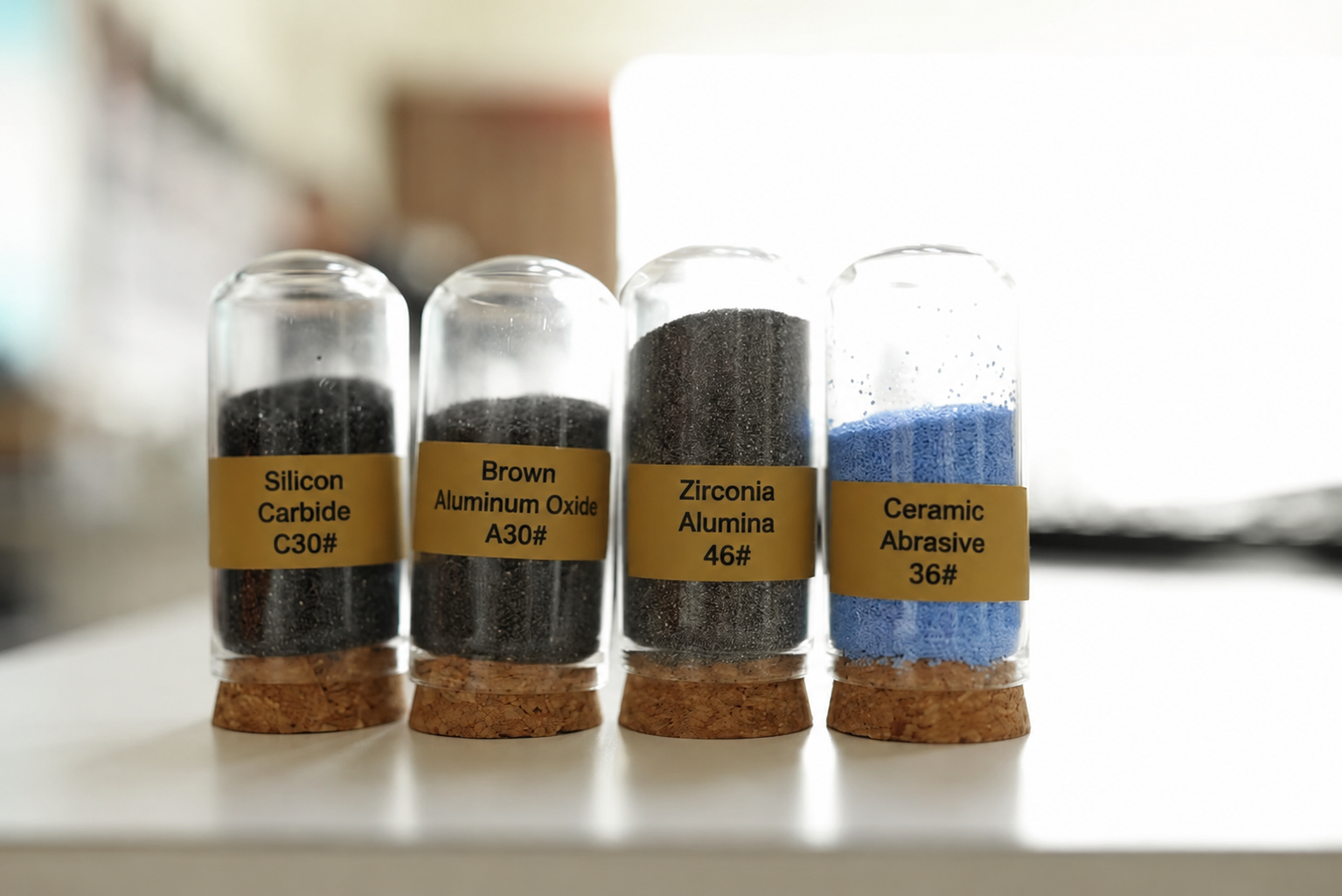
Aluminum Oxide
An entry-level abrasive. It is one of the most widely used abrasive grains in industrial grinding, cutting, and polishing. This abrasive is highly tough, hard, and has sharp grains, making it suitable for grinding high-strength materials. What will impress you most is its low price and excellent value.
Silicon Carbide
This material is harder than aluminum oxide. It is sharp but it is quite brittle. It has good thermal conductivity, which helps dissipate the heat generated during cutting and grinding, so you can use it for aluminum, brass, glass, ceramics, and other materials.
Zirconia Alumina
Zirconium alumina abrasive is made from zirconium oxide and alumina synthesized at high temperatures. Its fine crystalline microstructure perfectly combines hardness, toughness, and self-sharpening properties, so it is ideal for heavy-duty metal grinding. Therefore, compared to pure alumina, zirconium abrasive has a higher metal removal rate.
Ceramic Alumina
Ceramic alumina offers the highest cutting and grinding efficiency and the longest service life as well as it generates less heat. As a result, the performance makes it suitable for high-strength steel, stainless steel, and continuous operation. They are commonly used in high-performance grinding wheels. At the same time, these abrasives are usually more expensive.
Synthetic Superabrasives
FEPA — The Federation of European Producers of Abrasives classifies diamond and CBN as superhard abrasives. When you are selecting superhard abrasives, the main factors to consider are the workpiece material, the mounting method, the grinding temperature, and the required precision.
Diamond
Synthetic diamond is the strongest material in the world, with a Vickers hardness ranging from 80 to 100 GPa. It retains its sharpness over a long time. That can significantly extend tool life and ensure high machining precision.
Its ability to conduct heat is five times higher than that of copper, enabling it to dissipate the heat from cutting quickly. However, diamonds cannot be used to grind ordinary steel at high temperatures because iron and high temperatures will cause diamonds to deteriorate rapidly.
Cubic Boron Nitride (CBN)
Cubic boron nitride has a hardness, which is only second to the diamond. It has a Vickers hardness (HV) of 40-50 GPa. It is a crystal composed of nitrogen and boron atoms. It possesses high hardness and excellent heat resistance. Since it has no significant affinity for iron or carbon, it is suitable for you to grind steel and is primarily used for hardened steel, high-speed steel, and tool steel.
Natural vs. Synthetic Abrasives
In modern industry, synthetic abrasives are primarily used, while natural abrasives are used less frequently. However, “natural” does not necessarily mean safer or more environmentally friendly, nor does “synthetic” necessarily mean superior performance in all aspects. The actual choice still depends on the abrasive’s hardness, toughness, particle size, workpiece material, product structure, bonding agent, and method of use.
Choose Abrasive Uses by Application and Industry
To choose abrasives for industrial applications, start with the task, workpiece, target finish, safety requirements, and approved product specification.
Abrasive for Metalworking
Abrasive grain selection for metalworking should consider the workpiece. In factories, carbon steel, stainless steel, aluminum, and special alloy metals are generally worked on individually,with grinding wheels being specially made to match the metal.
The best wheel material for carbon steel and plain steel is the alumina oxide type. For stainless steel and high alloy steels, zirconia alumina or ceramic alumina should be used. Aluminum suitable for silicon carbide.
Abrasive for Shipyard
- Steel Plate Grooving and Cutting Edge Preparation
Before any welding is going, sheet metal is subjected to edge grinding, grooving, and cutting processes. All these processes need abrasives which offer great cuttability and resistance to wear since they have to be able to remove thick metal and hard layers quickly. It is possible for you to use zirconia or ceramic alumina wheels.
- Post-Welding Treatment of Hull Structures
After welding, you need to remove slag and grind the welds. The abrasive should be self-sharpening and generate minimal heat during grinding. In this case, you can choose zirconia alumina or ceramic alumina.
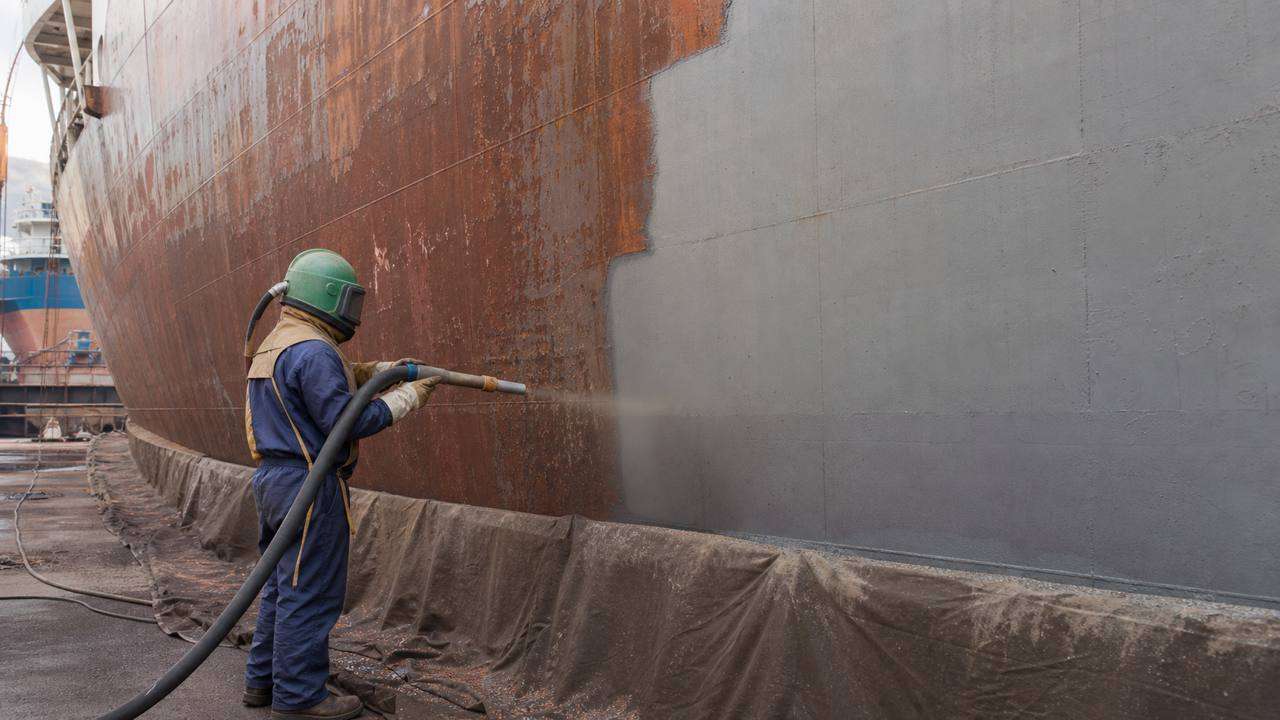
- Extensive Sandblasting for Rust Removal
In this step, you will need to remove old paint, marine fouling, and heavy rust from large areas of the deck and ballast tanks through sandblasting. Garnet sand produces minimal dust, is environmentally friendly, and is eusable for 3–5 times.
- Treatment of Aluminum Alloy Hulls and Stainless Steel Components
This step is intended to prevent the hull from rusting in the future ,so that the use of iron abrasives is strictly prohibited. You can use white aluminum oxide or ceramic abrasives.
- Second Time Rust Removal
This step needs more fine rust removal. You need a product with uniform particle size that provides excellent coating adhesion, your best choice is zirconia flap discs designed for metal surface finishing or sandpaper.
Abrasive for Construction
- Rebar Processing
During structural construction, reinforcing bars require cutting, bending, and end treatment. This process requires the use of abrasives with high cutting power and good wear resistance to remove protrusions and hardened layers.
Zirconia corundum or ceramic alumina are recommended for you. For batch processing, steel cutting discs made with aluminum oxide can be used in conjunction with an angle grinder to smooth the ends.
- Concrete treatment
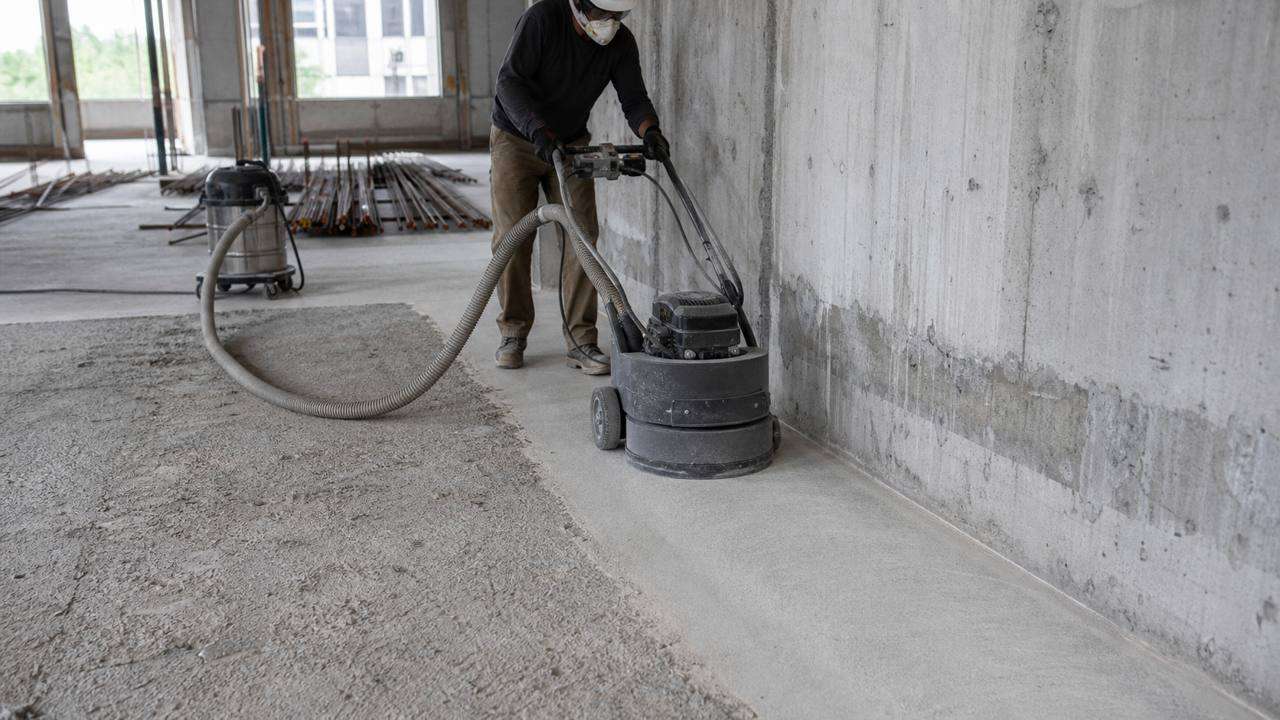
Grind or shot-blast large areas of concrete floors and walls. For this step, using a shot blasting machine with steel shot is the most efficient method and produces no dust pollution. For small areas or corners, you can use diamond cup wheels. For localized areas where the coating has peeled off, use stone grinding wheels formulated with silicon carbide grinding for coarse grinding.
- Fine Sanding of Walls
After the interior and exterior putty layers have been applied, fine sanding must be performed to remove any scraping marks. At this stage, you can use sandpaper with uniform grit size and gentle abrasiveness.
Brown aluminum oxide or silicon carbide sandpaper commonly use with a hand sander or electric sander, typically progressing from coarse to fine grits, such as 80 grit → 120 grit → 240 grit.
Abrasive for Automotive
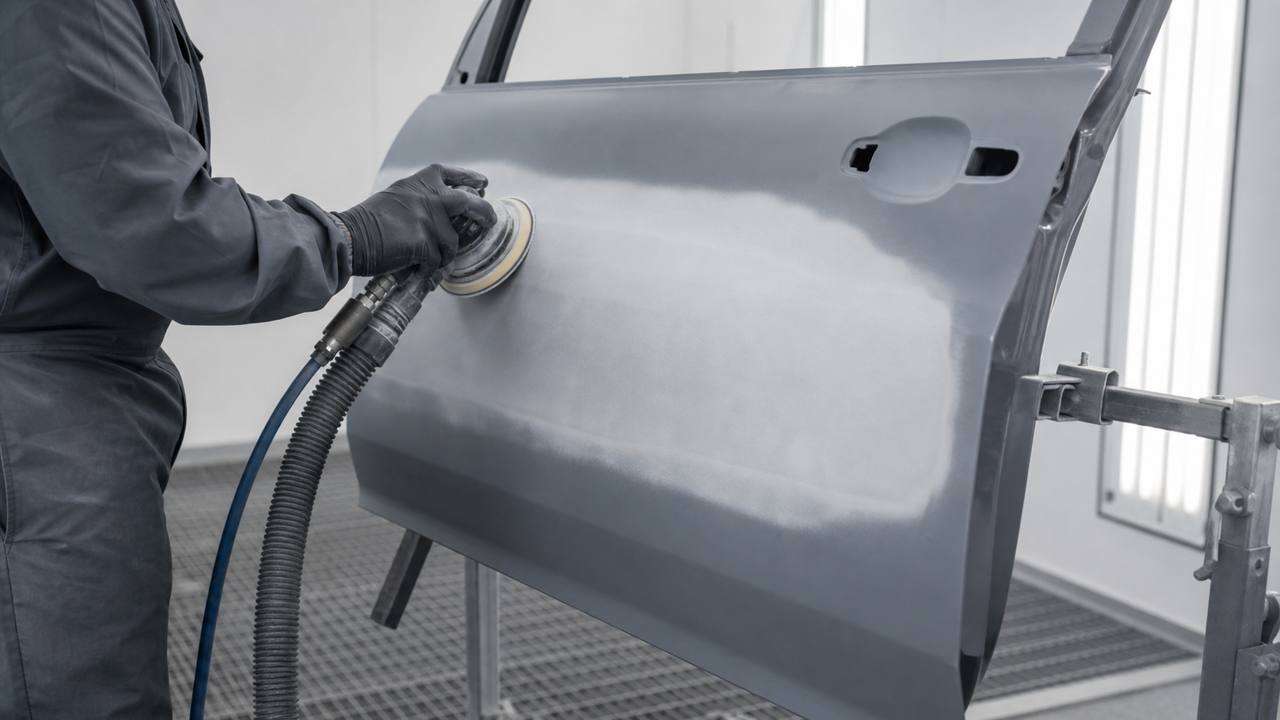
| Stage | Typical Process | Preferred Abrasive | Common Grit Range |
| Metal and Weld Grinding | Weld Seam Grinding, Heavy Paint Stripping | Ceramic Alumina Zirconia Alumina | P36 – P80 |
| Surface Preparation | Body Filler Shaping, Primer Sanding | Aluminum Oxide | P80 – P800 |
| Paint Finishing | Clear Coat Sanding, Scratch Polishing | Silicon Carbide Liquid Micron Alumina | P1000 – P3000 + Compound |
Automotive abrasive selection should consider the substrate, repair stage, coating system, dust control, and required finish. Use abrasive approved for body repair, weld blending, paint preparation, or finishing rather than selecting by grain type alone
FAQ
What is Abrasives?
Abrasives are materials formulated with specific grit sizes to manufacture tools for grinding, lapping, and polishing. Abrasive grains can be used alone or attached to grinding wheels, belts, sandpaper, grinding blocks, or blasting media.
What is Bonded Abrasive?
Bonded abrasives are tools with a definite shape that results from combining grains of abrasive material, a binder, and filler materials through a process of pressing, molding, drying, or curing.
What is Coated Abrasive?
Coated abrasives are types of abrasives in which grains of abrasives are held together on a definite flexible substrate with the help of adhesives. They are typically attached to sanding belts, sandpaper, sanding pads, and sanding rolls.
What are Differences Between Aluminum Oxide and Silicon Carbide?
The core difference between the two lies in the behavior of the abrasive grains during the grinding process.
Alumina abrasive grains are generally more impact-resistant and do not break too quickly under high pressure. It is more suitable for metal processing that requires stable grinding.
Silicon carbide abrasive grains break more easily and form new sharp cutting edges, but may be consumed faster. It is more suitable for brittle or non-metallic materials that require sharp cutting action.
Final Thoughts
Dome as an experienced abrasive wheel manufacturer with an 20000 square meters automated workshop, can satisfy your product selection needs. Contact us today, and let our technical team work on an optimized abrasive proposal tailored for your production scenarios.