
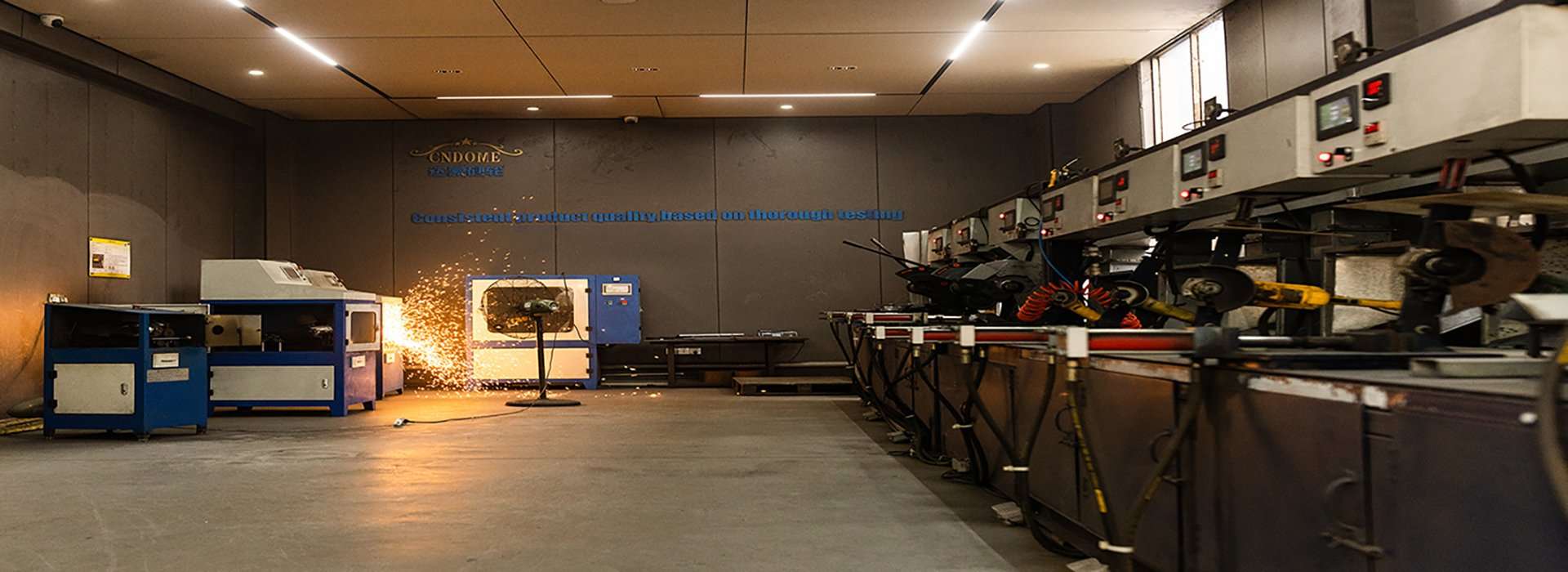
Rotational Strength
Grinding wheel rotational strength refers to the maximum centrifugal stress that a grinding wheel can withstand without breaking when rotating at high speed. Various materials, structures, and bond strengths of the grinding wheel all affect its rotational strength. Qualified rotational strength is the most important standard for grinding wheel safety
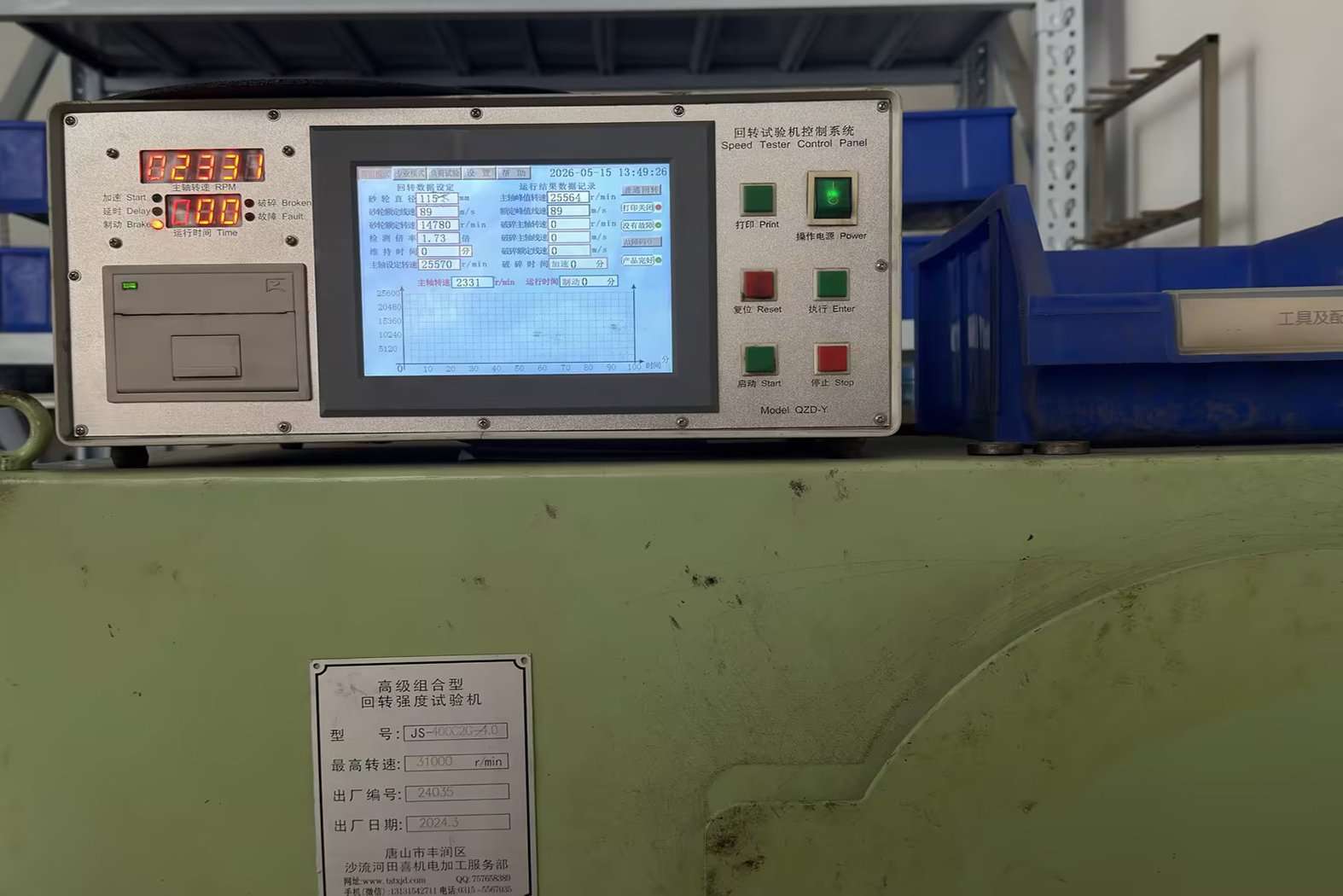
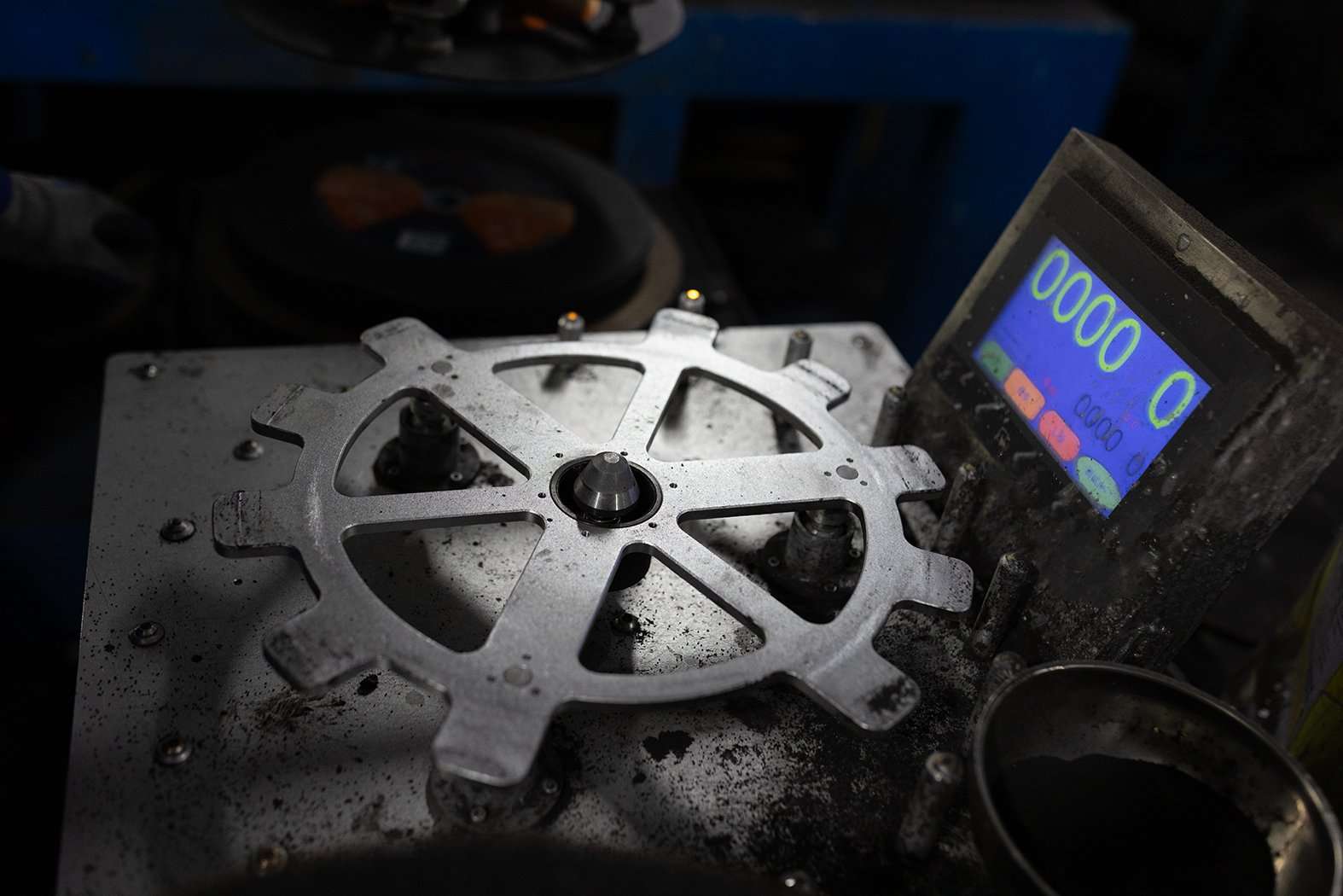
Static Balance Test
Static balance refers to the uniform mass distribution of all parts of the grinding wheel when it is not rotating, so that the grinding wheel will not generate eccentric force due to the shift of the center of gravity when it is installed on the spindle, thus ensuring that the grinding wheel has low vibration, long service life and high safety when it rotates.
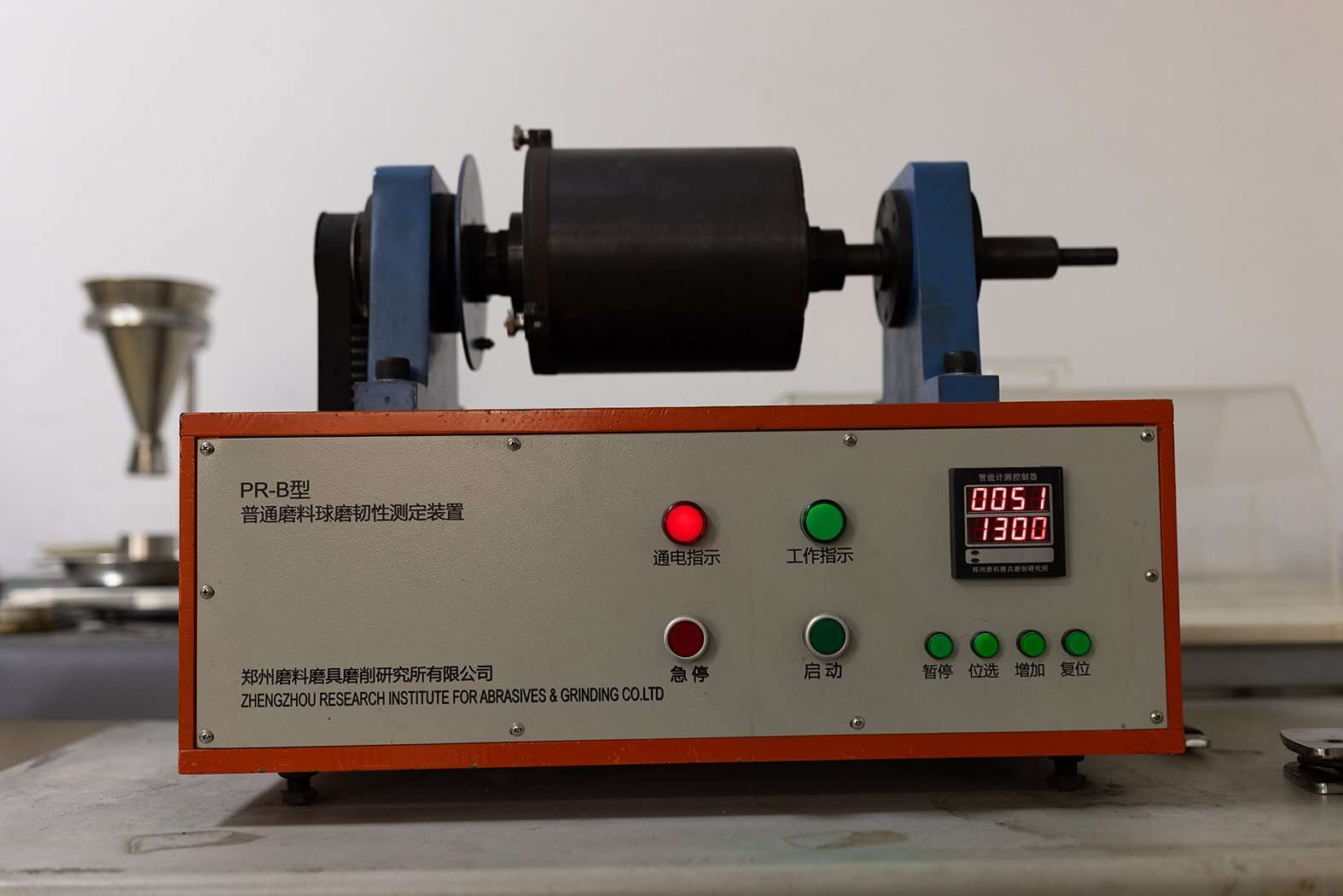
Ball Milling Test
The grinding wheel raw material and steel balls were added to a ball mill to test the impact resistance and fracture toughness of the grinding wheel material.
Mesh Defect Detection
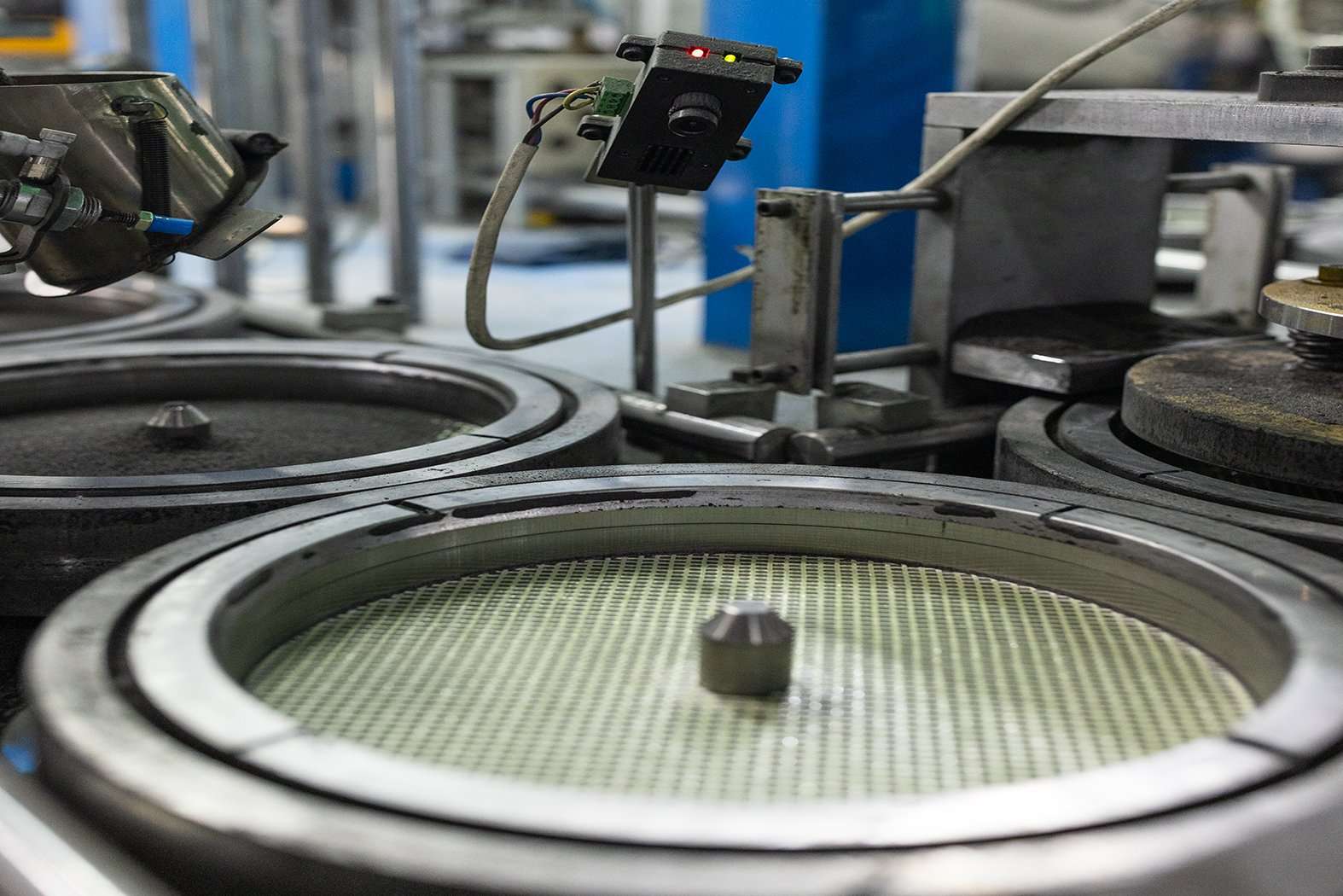
The mesh is a crucial component for reinforcing the grinding wheel structure. A missing mesh can lead to serious accidents such as wheel breakage. Therefore, Dome inspects each grinding wheel during production. If a grinding wheel is found to be missing a mesh, the machine will alarm and stop operating.
Duration of Recession
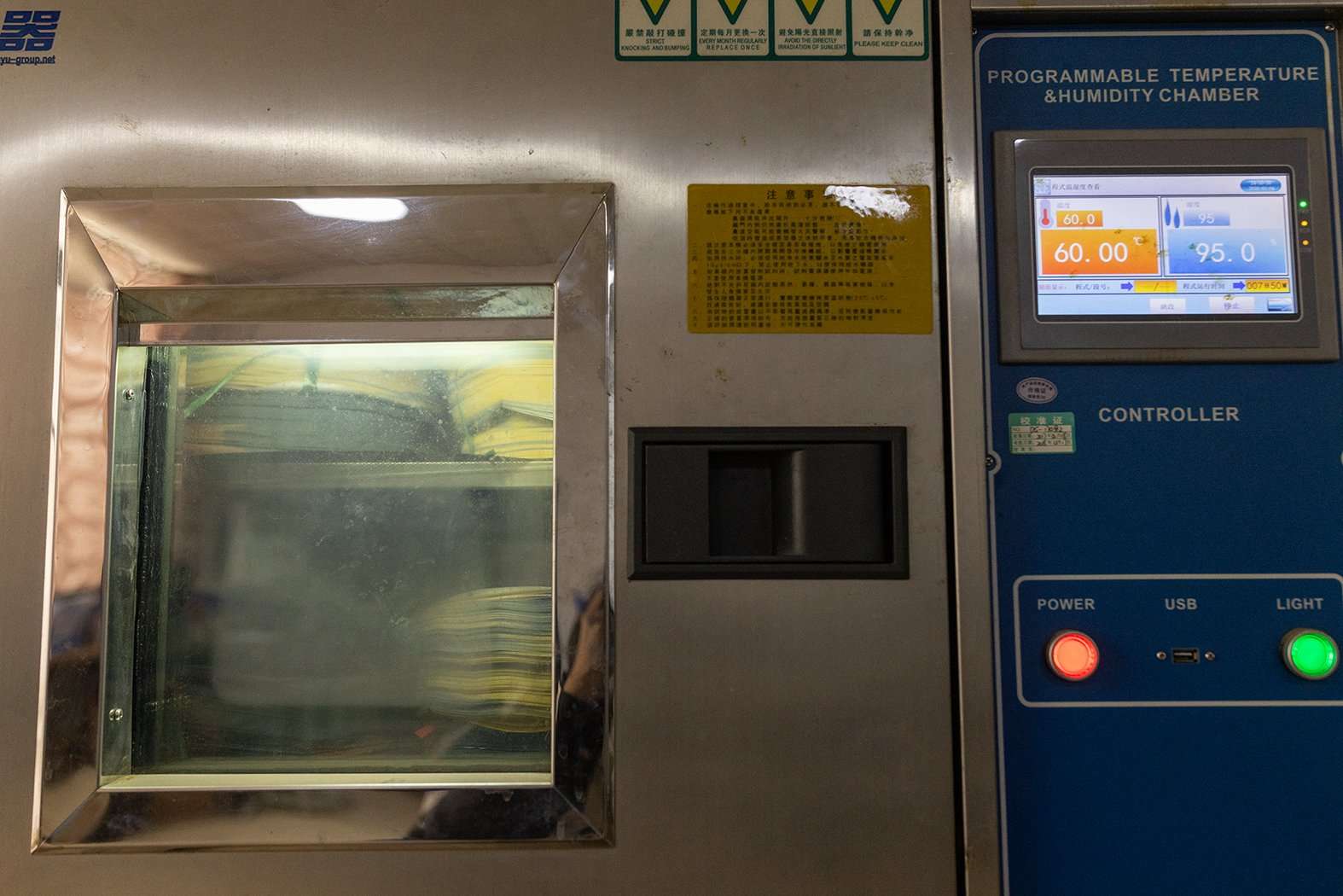
Because the phenolic resin binder continuously absorbs moisture from the air, the grinding wheel will gradually wear down, reducing its cutting and grinding capabilities. Dome conducts tests on the product’s wear time to ensure stable product quality within a safe period.
Melting Point Test
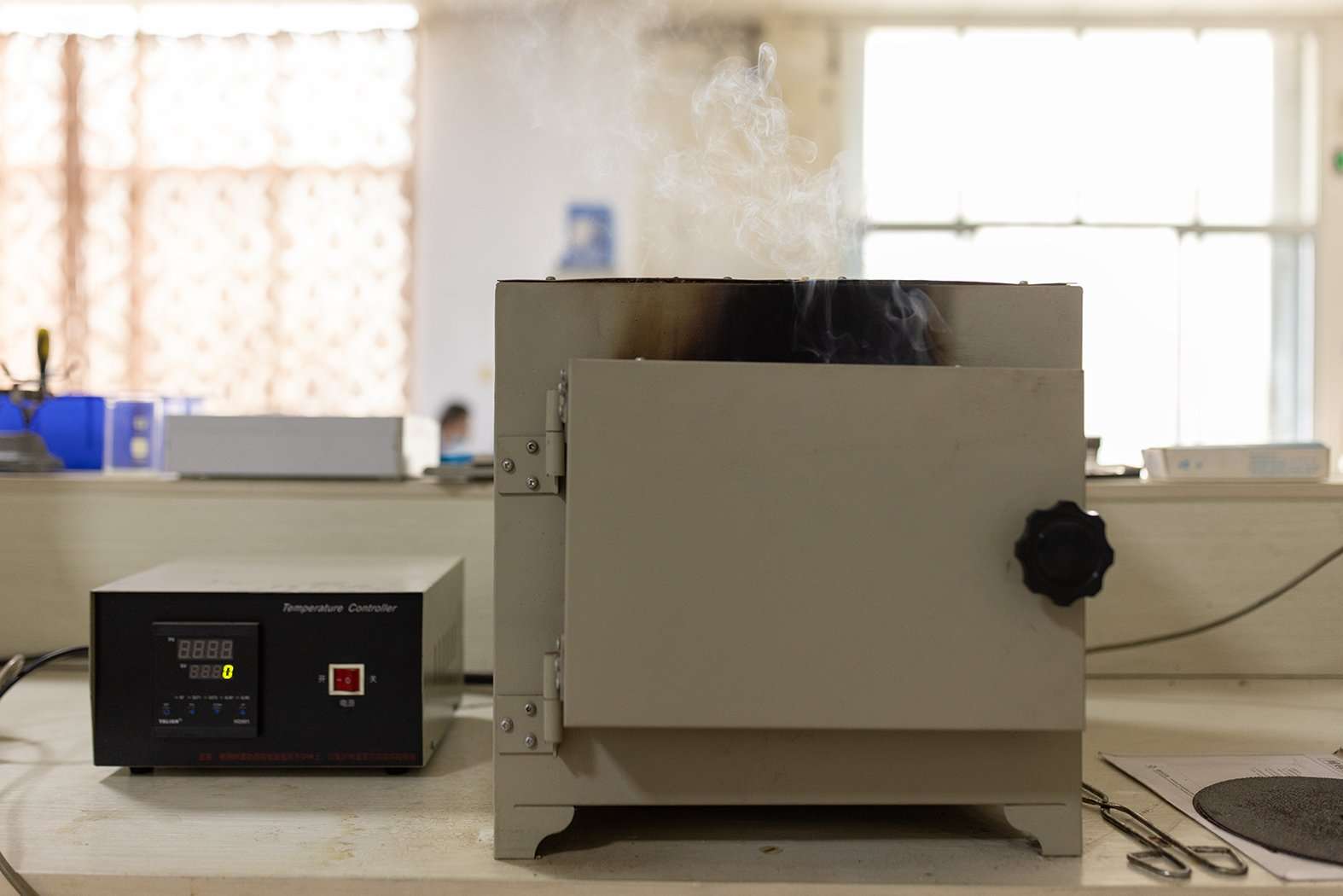
The melting point test of grinding wheel mesh is to determine the temperature at which the mesh, binder, or bonding layer material in the grinding wheel begins to soften or melt under heating. The purpose is to determine whether the grinding wheel will be damaged or its strength reduced due to the melting of the binder during high-temperature grinding.
Bulk Density
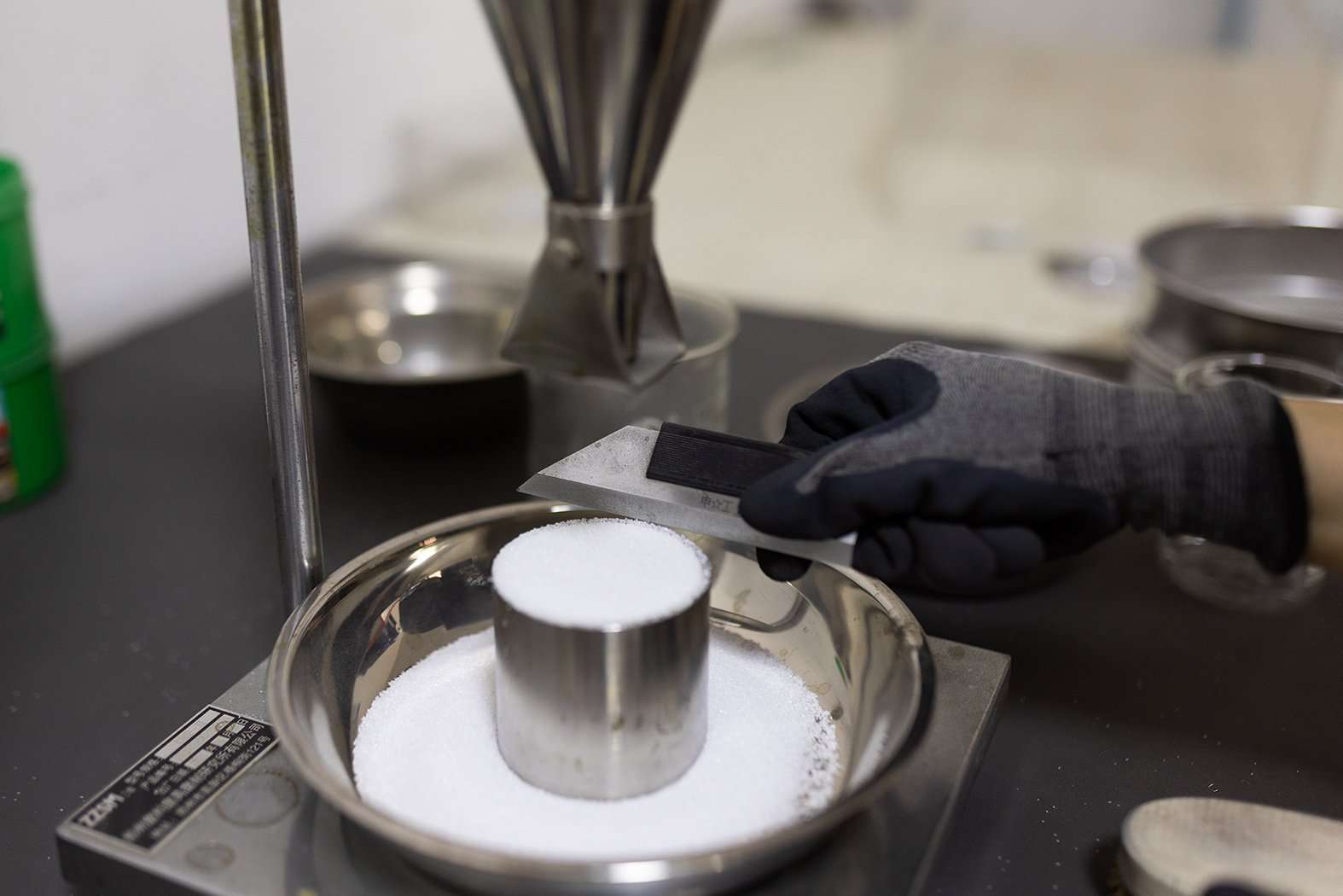
Testing the bulk density of the raw material in grinding wheels can differentiate their intended use:
High-density grinding wheels → Precision grinding, surface grinding
Low-density grinding wheels → Coarse grinding, high material removal rate
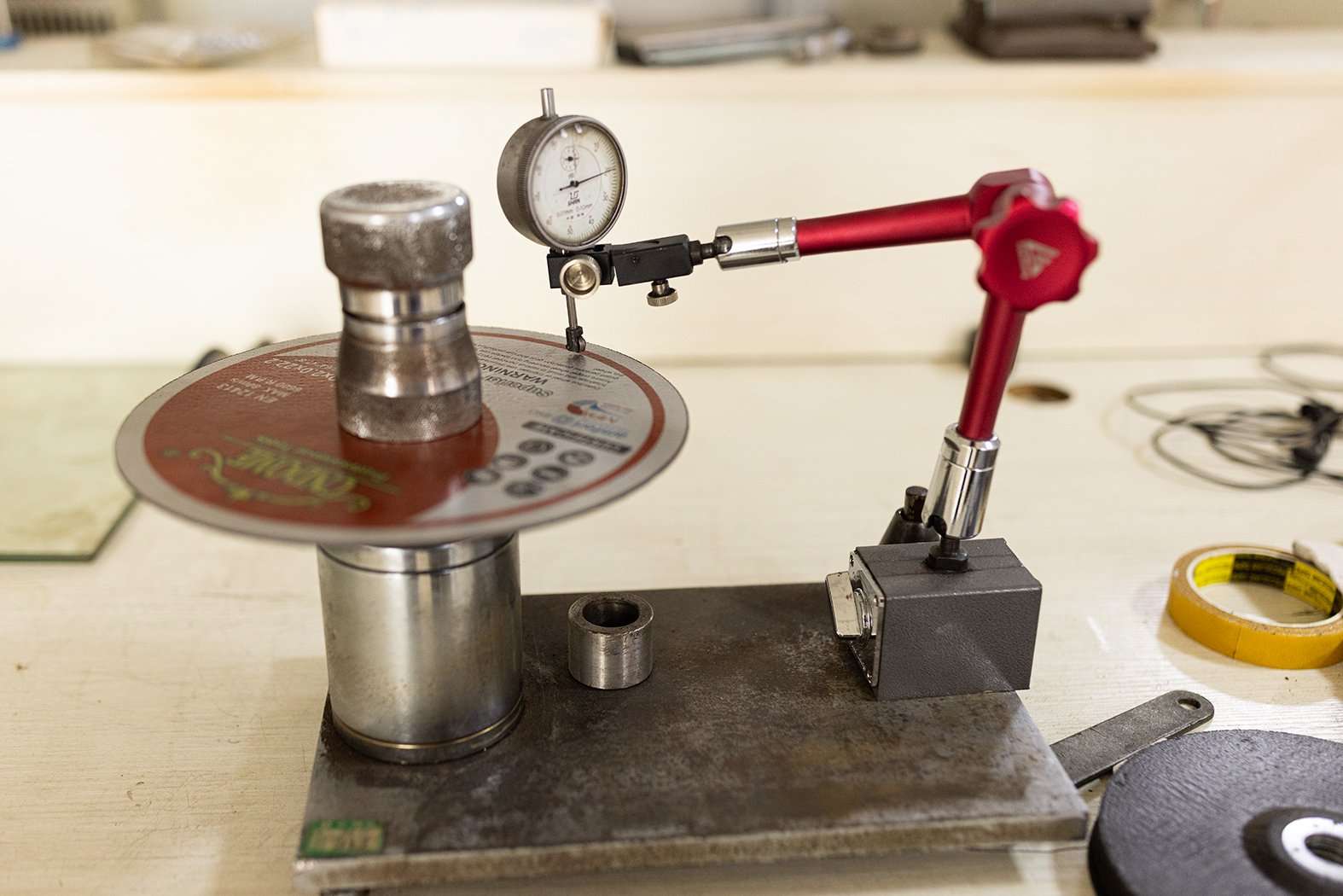
End Face Runout
Grinding wheel runout refers to the deviation of the end face or surface of the grinding wheel from the ideal axis of rotation during rotation. Excessive runout leads to unstable grinding, rough surface, and increased grinding wheel vibration.